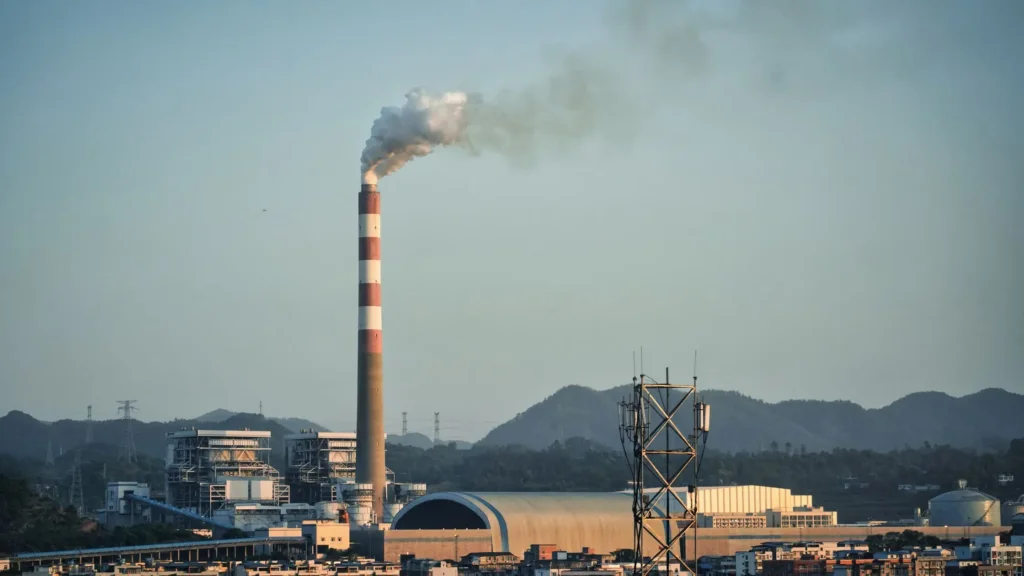

►MLA Rohit Pawar alleges that a Ratnagiri chemical plant uses machinery from a tainted Italian firm, Miteni, linked to PFAS pollution and is emitting hazardous chemicals.
►The plant operator and state regulators say the facility has approvals and is not producing the specific harmful compounds in question.
►Local residents are outraged, questioning why equipment from a controversial Italian company is being used in this region.
Ratnagiri, Maharashtra: A chemical production controversy that shook Italy is now fuelling debate in Maharashtra’s Ratnagiri district, where a plant in the Lote Parshuram industrial area is drawing protests over “forever chemicals”.
In June this year, an Italian court handed down a total of 141 years in prison to former executives of Miteni, a chemical company found guilty of polluting water and soil with PFAS (Per- and Polyfluoroalkyl Substances).
These substances, widely used in many products, persist in the environment and are known as “forever chemicals” because they don’t break down easily.
Now, opposition leaders and activists in Ratnagiri are raising alarms because Laxmi Organic Industries, a Mumbai-based chemical maker, uses technology acquired from Miteni at its Ratnagiri chemical plant.
Rohit Pawar, MLA from the Nationalist Congress Party (NCP), has urged authorities to “immediately shut down the plant taking into account the potential danger”, claiming that “harmful PFAS are being emitted from it”.
However, Maharashtra Industries Minister Uday Samant has stressed that the plant will not be allowed to operate if it poses harm to the community. He said expert committees will review the site and ensure safety before taking any steps against the Ratnagiri chemical plant.
The Maharashtra Pollution Control Board (MPCB) says it is conducting a routine probe to check if the plant adheres to environmental norms and that the company has all necessary clearances.
Laxmi Organic Industries has responded to concerns by stating it complies with all Indian environmental and safety regulations and that comparisons with the Italian scandal are “inaccurate and misleading”.
The company said the Miteni case involved decades of direct wastewater discharge into rivers — practices not permitted under India’s laws.
PFAS chemicals are used in many products due to their resistance to heat, water, and oil, but their environmental persistence has led to restrictions in many countries.
Research suggests that exposure to certain PFAS may be linked to health problems, including increased cancer risk and immune issues.
As the debate grows in Ratnagiri, local groups are demanding greater transparency and regular monitoring of pollutants to protect both environmental and public health.