

The Earth was never exhausted by human need, but it is now collapsing under the weight of human greed.
The reason?? Causes of climate change in India and all over the world.
Climate change is largely driven by our everyday choices and unchecked development. From excessive fossil fuel use, deforestation, and industrial pollution to plastic waste, overconsumption, and unplanned urban growth, human activities are steadily damaging the environment.
In our pursuit of convenience, profit, and fast progress, we are disturbing the natural balance, polluting the air and water, and heating the planet at an alarming rate.
So let’s glide into knowing the causes of climate change in India.
8 Shocking Causes of Climate Change in India Backed by Data
Below are the eight most alarming causes of climate change in India that directly impact our weather, health, and future.
1) Heavy Dependence on Fossil Fuels
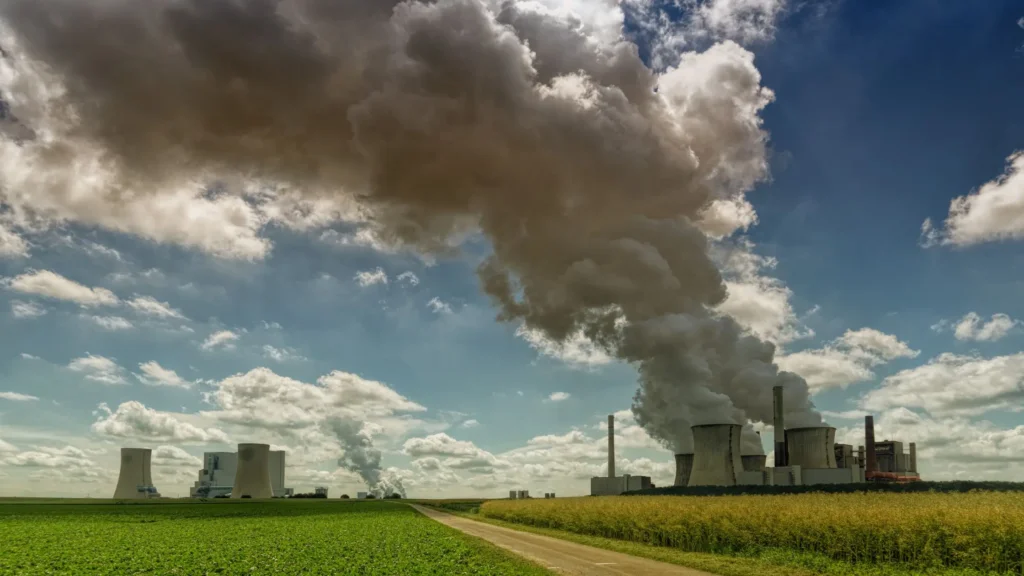
India’s energy system is one of the biggest contributors to climate change. And CO₂ (Carbon Dioxide) is the most important atmospheric greenhouse gas.
CO₂ is released when vegetable matter decays or is burned, as seen in Punjab and Haryana, and Delhi has to bear the repercussions.
Fossil fuels are one of the major sources of energy that have formed over millions of years due to the fossilization of plants, trees, and animals. They contain high concentrations of carbon, which, when burned, release large amounts of CO₂ into the atmosphere. And nearly 80% of all greenhouse gas emissions come from the energy sector.
Petrol and Diesel usage in vehicles also releases CO₂, Methane, and Nitrous Oxide. According to the IEA (International Energy Agency), road transport accounts for 12% of India’s energy-related CO₂ emissions.
A report by Greenpeace India estimates that air pollution from burning fossil fuels costs India ₹ 10.7 lakh crore annually (≈ US$150 billion). That’s about 5.4% of India’s GDP.
2) Industrial Emissions
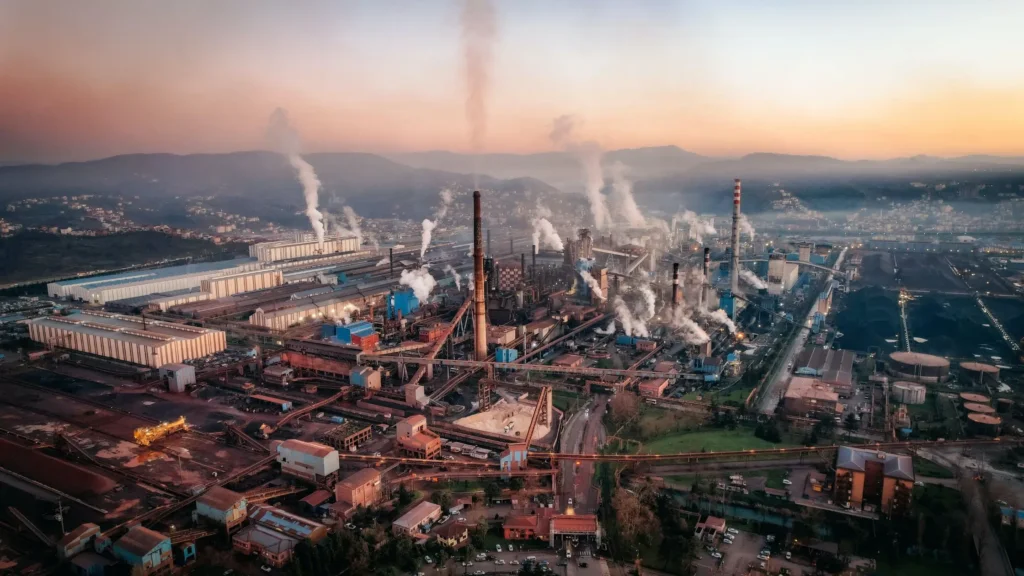
Chemical industries produce a range of synthetic Halocarbons such as Chlorofluorocarbons (CFCs), Hydrofluorocarbons, Perfluorocarbons, Halons, and sulfur Hexafluoride, that are potent greenhouse gases with very high global warming potentials.
CFCs, widely used in cooling systems, plastic foam production, and industrial solvents, are a major contributor to the depletion of the ozone (O₃) layer.
Also, many cement manufacturing plants release CO₂ as a natural by-product of chemical reactions.
According to Climate Transparency (2022), direct industrial emissions (from the “industry” sector) make up 30.6% of India’s energy-related CO₂, and indirect (embodied in electricity used by industries) add another 18.7%.
3) Rapid Urbanization and Construction Boom
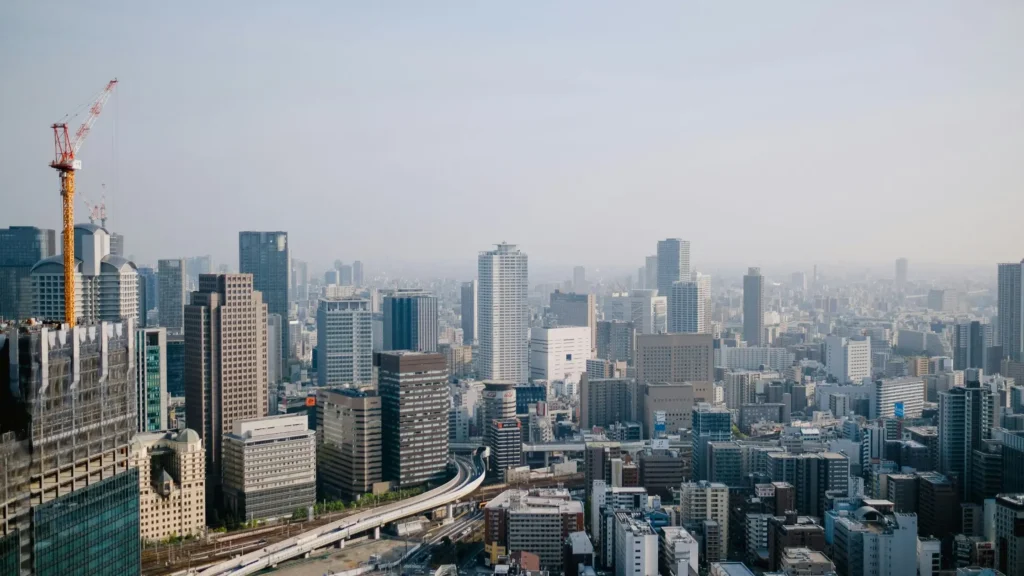
Urban growth is one of the direct causes of climate change in India. New buildings and roads replace natural landscapes, which normally act as carbon absorbers.
The aftereffect is, the big urban cities are becoming the “heat islands”, raising temperatures and increasing AC use.
Megacities such as Delhi, Mumbai, and Bengaluru require enormous amounts of power for lighting, cooling, digital infrastructure, and water treatment, and together they lead to 44% of India’s rapid-growth carbon emissions.
Also, according to a report by the National Institute of Disaster Management (NIDM), more than 30% of India’s population currently lives in cities; this is projected to rise to 40% by 2030, which will significantly increase energy demand, emissions, and waste.
4) Deforestation and Land Degradation
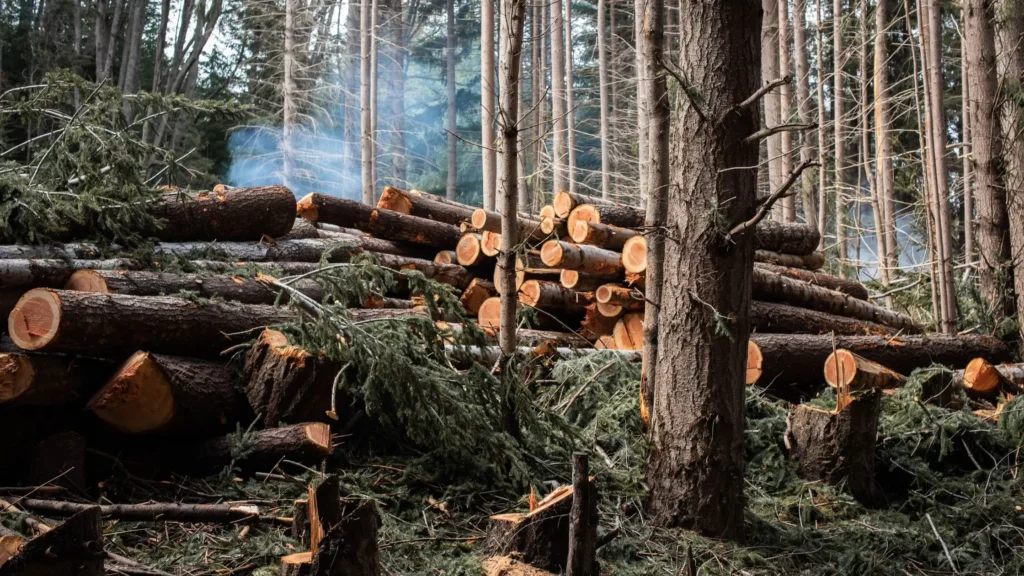
Deforestation happens due to various factors, which include
– Infrastructure expansion, such as roads, dams, and power projects.
– Mining in forest-rich states.
– Agricultural expansion.
– Illegal logging.
And when green cover reduces, it reduces natural carbon sinks.
We know that plants absorb CO₂. Collectively, the world’s trees and vegetation take in about 6.1 billion metric tonnes of this greenhouse gas. But when forests are burned or cleared, this stored carbon is released, adding massive amounts of CO₂ to the atmosphere.
Deforestation is estimated to produce about 5,800 MtCO₂ (Megatonnes of Carbon Dioxide) each year.
Between 2021 and 2023, India lost 3,656 sq km of dense forests (this combines the loss of very dense forest (VDF) and moderately dense forest (MDF).
According to a NITI Aayog and Intergovernmental Panel on Climate Change (IPCC) -cited report, about 12 million hectares of land in India degrade every year due to multiple factors, including deforestation, unsustainable land use, and other pressures.
5) Agriculture and Animal Husbandry

Agriculture and Animal husbandry are also major sources of Methane and Nitrous oxide, two highly potent greenhouse gases.
Every year, overuse of fertilizers pumps nearly 2.1 billion tonnes of CO₂ equivalent into the atmosphere, making it agriculture’s biggest climate burden.
What’s more alarming is the release of Nitrous Oxide, a greenhouse gas 300 times stronger than Carbon dioxide, silently fast-tracking global warming.
Methane (CH₄) is another potent climate pollutant, trapping 23 times more heat than Carbon dioxide. Surprisingly, about a quarter of global Methane emissions come from everyday livestock such as cows, goats, buffalo, pigs, camels, horses, and sheep.
As these animals digest food, bacteria in their stomachs break it down, turning part of it into Methane that escapes through belching or manure.
Rice fields can be surprisingly big Methane emitters, contributing 15–20% of global CH₄ emissions. When fields are flooded, the water blocks Oxygen from entering the soil.
This creates the perfect environment for methane-producing bacteria, which break down organic matter and release methane as a by-product. And India cultivates paddy on roughly 42–45 million hectares of land.
6) Waste Mismanagement
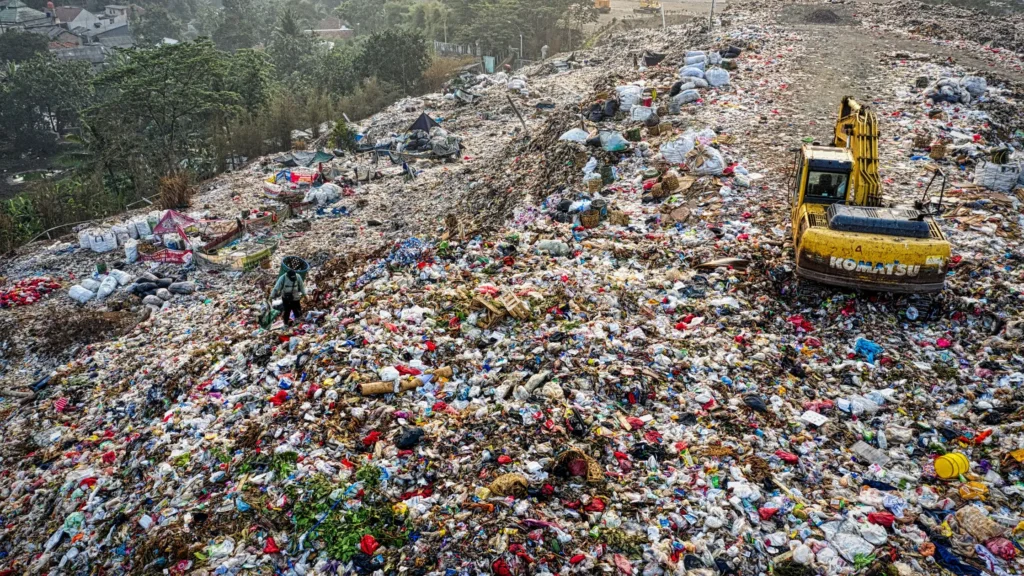
India’s cities generate thousands of tonnes of waste every day, from plastic wrappers to glass bottles.
Organic waste in dumpsites such as Ghazipur or Deonar decomposes without oxygen. This produces methane, a highly potent greenhouse gas.
According to the IPCC, around 18% of global Methane emissions, equivalent to 9–70 megatonnes per year, originate from landfills. Additional Methane is released during wastewater transport, sewage treatment, and from leaks that occur during the anaerobic digestion of waste and sludge.
Also, we find sweepers burning the waste on the road. At one point, they may think they are doing the right thing, but in reality, it leads to air pollution, which often poses a health risk.
7) Population Growth & Rising Energy Demand

We are 1.46 billion people. And as the population keeps on increasing, the demand and consumption of energy also rise. This makes it one of the major causes of climate change in India.
The use of air conditioners, refrigerators, and other electrical appliances leads to greater per-household emissions. And this Increased energy use (for electricity, heating, transport) often relies on fossil fuels, as you know release greenhouse gases.
More infrastructure, vehicles, industries, and urban expansion also lead to more air pollution, waste, and resource depletion, as well as loss of green cover and open land, reducing nature’s ability to absorb carbon and regulate the climate.
8) Natural Factors ( Though Minor Compared to Human Activities)
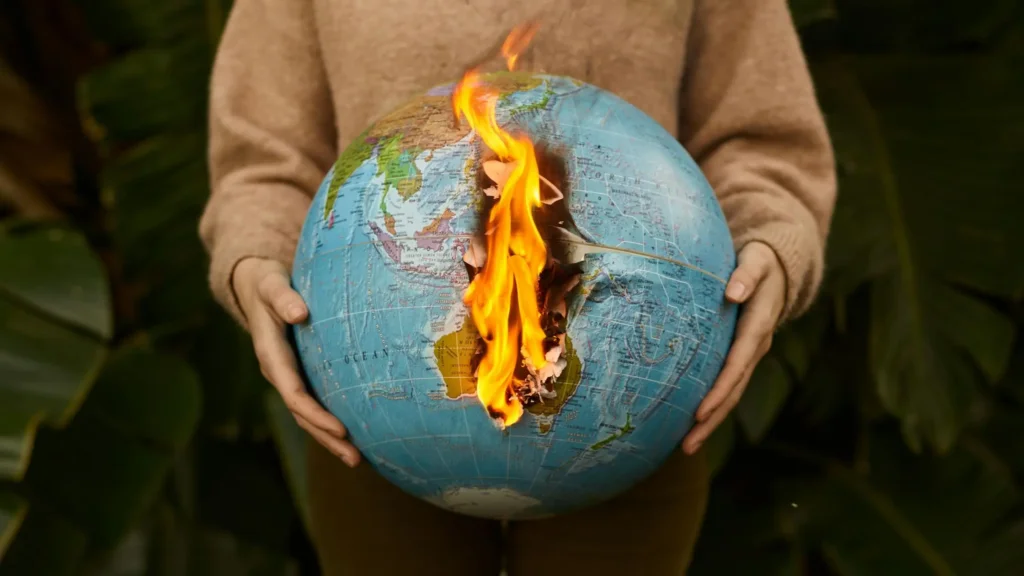
Climatologists have identified several natural causes of climate change in India and all across the world, which include;
– El Niño and La Niña events.
– Natural monsoon variability.
– Slow Himalayan glacier shifts.
– Continental drift.
– Volcanic activity.
– Ocean currents.
– Variations in Earth’s tilt.
– And Occasional impacts from comets or meteorites.
While these natural processes do influence the climate over long periods, their effects are relatively small compared to human-induced (anthropogenic) causes of climate change in India.
Conclusion – Let’s Bring Change
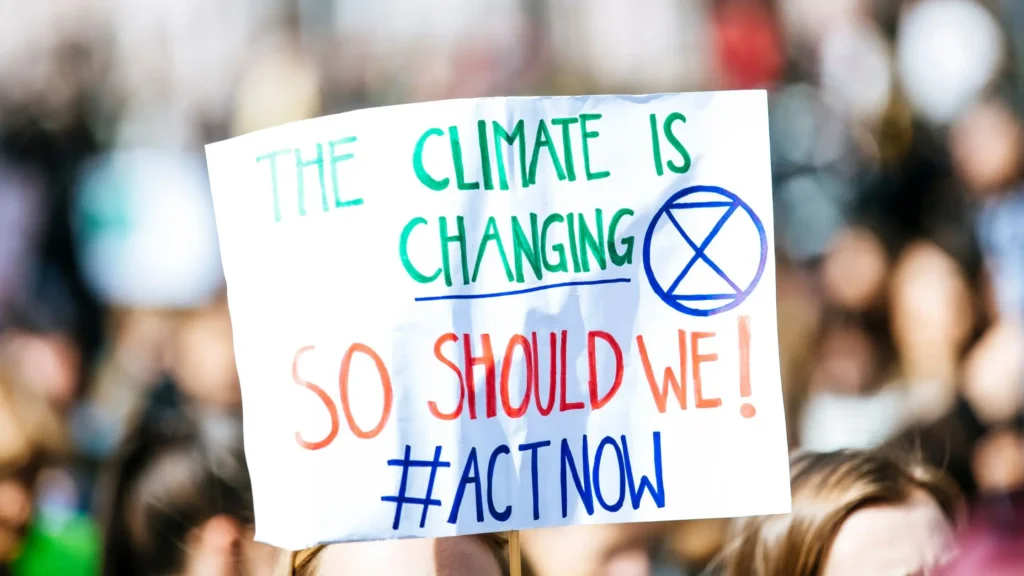
After knowing all the major causes of climate change in India, one thing is clear. The continuous rise in greenhouse gases is making things worse.
In Delhi, AQI often soars well above 300–400, sometimes reaching the “severe” or “hazardous” range. We think this issue isn’t that big. But it can cause breathing problems, eye and throat irritation, coughing, wheezing, and reduced physical stamina for people.
Long-term exposure increases the risk of chronic respiratory and cardiovascular diseases, worsens asthma, and can even lead to more serious health outcomes such as heart attacks or lung damage.
As of now, things haven’t reached the level as Delhi in other parts of India. But the day is not that far. However, as citizens, we can promote green products and sustainable living.
This won’t only help combat causes of climate change in India, but will also give a better future to the upcoming generations.
It’s time to go green conscious.